Categories
Health & Wellness Mental Health

Hearing Aids and Their Impact on Global Mental Health

Last Updated on 18/12/2025 by Admin

Discover the Vital Importance of Hearing Aids for Enhancing Life Quality

How Do Hearing Aids Dramatically Improve Your Quality of Life?

Hearing aids are transformative devices that greatly enhance the quality of life for individuals dealing with hearing loss. These remarkable tools work by amplifying sounds, which lessens the effort required to hear conversations and the surrounding environmental noises. This improvement in auditory perception significantly enhances communication, enabling stronger bonds with family, friends, and colleagues. Additionally, it encourages active involvement in social activities. When individuals can fully engage in their daily lives, their mental well-being flourishes, fostering a sense of inclusion and value within their communities.

Furthermore, the clarity of hearing reduces the frustration associated with miscommunication and misunderstandings. Many hearing aid users report heightened satisfaction in their daily interactions, which boosts their confidence in social situations. This newfound confidence often motivates individuals to pursue hobbies, join community organisations, or simply relish outings with friends and loved ones. Ultimately, the enhanced communication facilitated by hearing aids not only enriches personal connections but also contributes to a more vibrant and fulfilling life experience.

The psychological benefits of improved hearing are significant. With enhanced auditory capabilities, individuals experience a notable decrease in feelings of isolation. This aspect is especially vital in our interconnected world, where social interactions are crucial for maintaining good mental health. The sense of belonging that comes from effective communication greatly enhances one’s self-esteem and emotional state, creating a positive feedback loop that highlights the importance of hearing aids in improving quality of life and mental well-being.

What Are the Psychological Consequences of Not Treating Hearing Loss?

Failure to address hearing loss can result in severe psychological effects, manifesting as social isolation, depression, and anxiety. Individuals who struggle to keep pace with conversations or participate in group settings may withdraw from social interactions altogether. The inability to hear clearly can lead to frequent misunderstandings, resulting in frustration and a feeling of helplessness. This withdrawal typically intensifies feelings of loneliness, creating a downward spiral where individuals become increasingly isolated and mentally distressed.

The correlation between hearing loss and mental health is robustly documented in academic literature. Numerous studies indicate that individuals with untreated hearing loss face a heightened risk of developing depression. The continuous struggle to communicate drains emotional resources, making even routine social interactions seem overwhelming. Consequently, many individuals may develop anxiety regarding social situations, fearing communication difficulties before they even arise. These mental health challenges can impede one’s ability to seek help or connect with others, exacerbating the issues they encounter.

Moreover, the psychological consequences of hearing loss extend beyond immediate social interactions. They can lead to cognitive decline as individuals disengage from stimulating conversations and activities that challenge the mind. This disengagement establishes a feedback loop: as cognitive abilities diminish, individuals may discover it increasingly challenging to engage socially, perpetuating feelings of isolation. Addressing hearing loss through hearing aids can alleviate these psychological burdens and promote a more active, fulfilling mental state.

What Are the Key Benefits of Early Intervention for Hearing Loss?

Early intervention in addressing hearing loss, especially through the use of hearing aids, is crucial for preventing the escalation of mental health issues. By introducing hearing aids at an earlier stage, individuals can maintain their social connections and emotional well-being. This proactive approach helps prevent individuals from falling into the trap of isolation and its associated mental health challenges. The sooner hearing aids are utilised, the more likely individuals are to enjoy a variety of benefits, including enhanced communication, improved cognitive function, and a more resilient emotional state.

One of the primary benefits of early intervention is the prevention of cognitive decline. Engaging with sounds and conversations keeps the brain active and involved in social dynamics. When individuals can hear clearly, they are more likely to participate in mentally stimulating activities that are crucial for cognitive health. The brain thrives on activity, and hearing aids facilitate this engagement, effectively lowering the risk of cognitive deterioration associated with prolonged hearing loss.

Furthermore, early intervention can help alleviate feelings of anxiety and depression linked to hearing loss. Effective communication minimises confusion and frustration in social settings, leading to improved relationships. Others are more inclined to engage with those who can communicate effectively. Ultimately, the early use of hearing aids fosters a supportive environment that promotes mental health, reinforcing the concept that timely intervention is essential for maintaining a balanced emotional state.

Expert Perspectives on the Significance of Hearing Aids for Mental Well-Being

What Are the Long-Term Mental Health Benefits of Using Hearing Aids?

The long-term mental health advantages associated with using hearing aids are profound and multifaceted. Firstly, hearing aids can serve as a safeguard against cognitive decline. By enabling individuals to engage in conversations and mentally stimulating activities, these devices help maintain mental agility over time. The brain benefits from the active participation that hearing aids facilitate, preventing the decline often linked to social isolation.

Additionally, effective use of hearing aids can lead to a significant reduction in depressive symptoms. When individuals can hear and engage in conversations, they typically feel more connected and less lonely, which significantly enhances their emotional well-being. This connection is crucial for fostering resilience against mental health issues, further reinforcing the critical importance of hearing aids.

Moreover, using hearing aids can boost self-esteem and confidence. Individuals who can communicate effectively are more likely to engage in social activities, enhancing their overall quality of life. As they engage more with their communities, they cultivate stronger relationships, contributing to a sense of belonging and support. The cascading effects of these benefits underscore the vital role that hearing aids play in promoting long-term mental health.

Key long-term mental health benefits of using hearing aids include:

  • Prevention of cognitive decline
  • Reduction in depressive symptoms
  • Improved self-esteem and confidence
  • Enhanced social engagement and community involvement
  • Greater emotional resilience
  • Increased overall life satisfaction
  • Stronger interpersonal relationships
  • Improved communication skills

How Can Audiologists Effectively Support Mental Health?

Audiologists play a pivotal role in supporting mental health through the fitting and maintenance of hearing aids. Their expertise ensures that devices are tailored to meet the individual’s specific hearing needs, which is essential for achieving optimal performance. A well-fitted hearing aid can dramatically enhance sound clarity, leading to improved communication and a more engaged social life—both crucial for mental well-being.

In addition, audiologists provide ongoing support that extends beyond the initial fitting process. They offer counselling and education about hearing loss and its implications, helping individuals understand the importance of consistent hearing aid use. This education empowers users to take charge of their hearing health, mitigating feelings of helplessness and anxiety associated with hearing loss. Regular follow-up appointments enable adjustments to be made, ensuring that users feel comfortable and confident in their devices.

Audiologists also serve as advocates for their patients, connecting them with additional resources and support networks. By promoting social engagement and encouraging participation in community activities, audiologists help individuals combat isolation and foster connections that enhance mental health. This collaborative approach reinforces the concept that hearing health is intrinsically linked to overall mental well-being, highlighting the invaluable role audiologists play in this process.

What Role Do Hearing Aids Play in Nurturing Social Connections?

Hearing aids are essential for nurturing social connections, a critical component of mental health and emotional stability. By improving the clarity of sounds and conversations, hearing aids empower individuals to engage meaningfully in social interactions. This ability to communicate effectively can significantly reduce feelings of isolation and loneliness, which are detrimental to mental health.

The role of hearing aids in social settings cannot be overstated. They enable individuals to participate in group conversations, join community events, and reconnect with family and friends. As users experience improved communication, they often find themselves more willing to engage in social settings, leading to enriched relationships and a stronger support network. This interaction is essential for maintaining emotional balance and combating anxiety and depression that can be exacerbated by social withdrawal.

Moreover, hearing aids can help bridge the generational gap in communication. For instance, older adults can maintain connections with younger family members by actively participating in conversations and sharing experiences. This intergenerational engagement not only enhances the emotional well-being of older adults but also fosters a sense of purpose and belonging. Ultimately, the positive influence of hearing aids on social connections highlights their importance not just in hearing but in nurturing mental health.

How Do Hearing Aids Influence Mental Health Outcomes?

What Is the Relationship Between Hearing Loss and Depression?

There is a compelling link between hearing loss and depression, primarily driven by the social isolation that often accompanies untreated hearing impairment. Individuals experiencing hearing loss may find it challenging to engage in conversations or follow discussions within group settings. This struggle can lead to feelings of frustration and helplessness, causing many to withdraw from social interactions altogether. The resultant isolation can precipitate or exacerbate depressive symptoms, creating a challenging cycle that negatively impacts mental health.

When individuals experience hearing loss, their ability to connect with others diminishes significantly. This lack of connection can foster feelings of loneliness and sadness, leading to a higher prevalence of depression among those with untreated hearing loss. Research indicates that individuals with significant hearing impairment are at a greater risk for depression, underscoring the importance of addressing hearing health proactively. Hearing aids can play a crucial role in breaking this cycle, as they facilitate improved communication and encourage engagement in social activities.

Addressing hearing loss through the use of hearing aids can significantly enhance mental health outcomes. By restoring the ability to hear clearly, individuals can engage more effectively in their social environments, thereby reducing feelings of isolation. The positive effects of hearing aids on mental health are not merely anecdotal; many users report feeling happier and more content once their hearing loss is addressed, highlighting the critical relationship between hearing health and emotional well-being.

Can Hearing Aids Effectively Alleviate Anxiety?

Hearing aids can indeed play a vital role in alleviating anxiety, particularly in social situations. When individuals struggle to hear, they often experience stress and apprehension about potential communication challenges. This anxiety can lead to avoidance of social interactions, which exacerbates feelings of isolation and mental distress. By improving hearing, hearing aids empower individuals to navigate social settings with greater confidence and ease.

The reduction of anxiety associated with hearing loss is a multifaceted benefit of using hearing aids. Firstly, they provide users with the clarity needed to follow conversations without constant straining or guessing. This clarity alleviates the worry of misunderstanding or missing out on important interactions. Secondly, hearing aids facilitate a more relaxed state of mind, as users feel secure in their communication abilities. The ability to engage without the burden of hearing loss can lead to a more enjoyable social experience.

Moreover, the positive reinforcement gained from successful social interactions boosts confidence. As individuals become more comfortable using their hearing aids, they are likely to participate more actively in social activities. This increased participation not only diminishes feelings of anxiety but also cultivates a sense of belonging and connection. Ultimately, hearing aids can significantly reduce anxiety by empowering individuals to engage fully in their social lives, promoting better mental health overall.

How Do Hearing Aids Impact Cognitive Function?

Hearing aids profoundly influence cognitive function by reducing the mental effort required to understand speech. When individuals struggle to hear, their brains expend extra energy filling in the gaps, leading to cognitive fatigue. This sustained effort can detract from mental sharpness and contribute to cognitive decline over time. Hearing aids alleviate this burden, allowing the brain to allocate resources to more meaningful cognitive activities.

Engaging in conversations with the assistance of hearing devices enhances cognitive stimulation. The clearer auditory input provided by hearing aids enables users to participate in discussions, access information, and enjoy mentally stimulating activities that are vital for cognitive health. Research has shown that individuals who use hearing aids experience less cognitive decline compared to those who do not, reinforcing the importance of addressing hearing loss for long-term cognitive well-being.

Furthermore, the social engagement fostered by hearing aids contributes significantly to cognitive health. When individuals actively participate in social interactions, they are more likely to engage their minds in ways that promote cognitive agility. This active participation not only enhances mental sharpness but also offers emotional benefits, creating a holistic approach to maintaining cognitive and mental health. Thus, hearing aids play a critical role in preserving cognitive function, showcasing their multifaceted benefits for users.

Research-Backed Insights on the Significance of Hearing Aids for Mental Health

What Does Current Research Indicate About Hearing Aids and Mental Health?

Numerous studies highlight the significant impact of hearing aids on mental health outcomes. Research consistently demonstrates that individuals who use hearing aids show marked improvements in emotional well-being, cognitive function, and social engagement. The evidence suggests that addressing hearing loss with hearing aids can lead to a comprehensive enhancement of one’s quality of life.

Key findings from research include:

  • Users of hearing aids report reduced symptoms of depression and anxiety.
  • Hearing aids contribute to improved cognitive function and slower rates of cognitive decline.
  • Individuals with hearing aids experience heightened levels of social engagement and lower rates of isolation.
  • Hearing aids improve overall life satisfaction and emotional well-being.
  • Many users report increased confidence and self-esteem in social settings.
  • Early intervention with hearing aids is linked to better long-term mental health outcomes.
  • Hearing aids foster a stronger support network, enhancing emotional resilience.
  • Users experience improved relationships and communication skills, leading to a fuller life.

These findings reflect the intricate relationship between hearing health and mental well-being. By addressing hearing loss through the effective use of hearing aids, individuals can experience significant improvements in their mental health, reducing the risk of depression and cognitive decline. The positive impact of hearing aids on mental health is not merely theoretical; it is supported by empirical evidence that highlights their crucial role in enhancing emotional and cognitive well-being.

How Do Hearing Aids Affect Emotional Well-Being?

Hearing aids exert a positive influence on emotional well-being by enhancing communication and alleviating the frustration associated with hearing loss. When individuals can hear clearly, they are more likely to engage in conversations and social activities, leading to enhanced feelings of inclusion and connection. This engagement plays a pivotal role in fostering a positive emotional state, as individuals feel valued and understood.

The reduction of frustration is particularly noteworthy. Many individuals with untreated hearing loss experience feelings of anger, sadness, or helplessness due to communication barriers. Hearing aids mitigate these feelings by facilitating clearer interactions, allowing individuals to express themselves and connect with others. This newfound clarity not only enhances social experiences but also contributes to a greater sense of emotional stability.

Moreover, the ability to engage in social interactions can bolster self-esteem and confidence. Individuals who can communicate effectively are more likely to participate in community activities, pursue relationships, and build supportive networks. These connections are essential for emotional well-being, as they provide a sense of belonging and support that can help alleviate feelings of loneliness. Thus, the influence of hearing aids on emotional well-being is profound and multifaceted, demonstrating their critical role in promoting mental health.

How Do Hearing Aids Help Prevent Cognitive Decline?

Hearing aids play a crucial role in preventing cognitive decline by keeping individuals engaged in conversations and mentally stimulating activities. Cognitive decline is often associated with social isolation and disengagement, both prevalent among individuals with untreated hearing loss. By facilitating clearer communication, hearing aids encourage active participation in social environments, which is vital for cognitive health.

Research indicates that individuals who use hearing aids show slower rates of cognitive decline compared to those who do not. The cognitive load associated with trying to understand speech without assistance can lead to mental fatigue over time. Hearing aids alleviate this burden, allowing the brain to focus on processing information rather than struggling to hear. This reduction in cognitive effort can help preserve mental sharpness and agility.

Furthermore, the social engagement that comes from using hearing aids is essential for cognitive health. Participating in conversations, joining community events, and maintaining relationships stimulate the mind, providing the necessary challenges that support cognitive function. By preventing social isolation and promoting active engagement, hearing aids serve as a vital tool in combating cognitive decline, reinforcing their significance not only for hearing health but for overall mental and cognitive well-being.

Proven Strategies for Maximising the Mental Health Benefits of Hearing Aids

What Effective Techniques Can Elevate Hearing Aid Utilisation?

Maximising the mental health benefits of hearing aids involves implementing effective techniques such as regular use, proper maintenance, and seeking professional adjustments. Consistent use of hearing aids ensures that individuals fully reap the benefits of improved hearing. The more frequently hearing aids are used, the better individuals become accustomed to them, leading to enhanced communication and social interactions.

Proper maintenance is equally crucial. Regular cleaning and checking hearing aids for optimal functionality can prevent issues that may hinder performance. Users should adhere to the manufacturer’s guidelines and consult their audiologist for maintenance tips. Regular upkeep not only ensures optimal performance but also helps individuals feel confident in their devices, reducing anxiety regarding communication challenges.

Additionally, seeking professional adjustments is essential for achieving the best outcomes. Audiologists can make fine-tuning adjustments to optimise sound quality based on individual preferences and environmental factors. Regular check-ups facilitate necessary updates to hearing aid settings, ensuring that users continue to experience the full benefits of their devices. By employing these techniques, individuals can significantly enhance their mental health outcomes through effective hearing aid use.

How Can Individuals Effectively Adapt to Hearing Aids?

Adapting to hearing aids requires patience, practice, and support from both audiologists and loved ones. The initial adjustment period can be challenging as individuals acclimate to the sensation of wearing devices and the amplified sounds they provide. It is essential to approach this transition gradually, allowing ample time for the brain to adjust to new auditory input.

One effective strategy for adapting is to start wearing hearing aids in familiar environments where individuals feel comfortable. This practice can help ease the transition and build confidence in using the devices. As individuals become more accustomed, they can gradually introduce hearing aids into more challenging auditory environments, such as crowded social settings. This step-by-step approach empowers users to gain control over their hearing experience, thereby enhancing their mental well-being.

Support from loved ones is invaluable during this adaptation process. Encouragement and understanding from family and friends can motivate individuals to persevere through initial challenges. Audiologists can also provide guidance and reassurance, offering strategies for effective communication and addressing any concerns that may arise. By fostering a supportive environment, individuals can successfully adapt to hearing aids and fully embrace the mental health benefits they offer.

Why Is Consistent Hearing Aid Use Crucial?

Consistent use of hearing aids is critical for maintaining the mental health benefits associated with improved hearing, as it ensures that individuals remain connected and engaged in their daily lives. Regular use helps users become accustomed to the sounds and voices they may have missed, reinforcing their ability to communicate effectively. This consistency not only enhances social interactions but also plays a pivotal role in combating feelings of isolation.

Moreover, consistent use of hearing aids contributes significantly to cognitive health. When individuals regularly engage in conversations and social activities, they stimulate their minds, which is crucial for preserving cognitive function. The more frequently users partake in auditory experiences, the better their brains adapt and remain sharp. This ongoing engagement is vital for preventing cognitive decline associated with untreated hearing loss.

Additionally, consistent hearing aid use fosters emotional well-being. Individuals who actively engage in social situations report higher levels of satisfaction and happiness. The positive reinforcement gained from successful interactions encourages users to maintain their hearing aids as essential tools for enriching their lives. Ultimately, the importance of consistent use cannot be overstated; it is essential for maximising the numerous mental health benefits that hearing aids can provide.

How Can Social Engagement Improve Mental Health for Hearing Aid Users?

Social engagement is a significant factor in enhancing mental health, particularly for individuals using hearing aids. By facilitating better communication, hearing aids enable users to connect more effectively with others, fostering relationships and community ties that are vital for emotional well-being. When individuals can hear and participate in conversations, they experience improved feelings of inclusion and belonging.

Engaging socially with hearing aids also combats feelings of isolation, which are common among those experiencing hearing loss. As users grow more comfortable in social settings, they are more likely to participate in community events, group activities, and family gatherings. This active participation leads to richer social experiences and stronger support networks, which are essential for mental health.

Moreover, social engagement with hearing aids encourages personal growth and resilience. Individuals who connect with others often discover new interests, build friendships, and develop a sense of purpose. These relationships provide emotional support and help mitigate the impacts of stress and anxiety. By promoting social engagement, hearing aids play a crucial role in enhancing mental health and fostering a more fulfilling life.

The Future of Hearing Aids and Mental Health

What Are the Latest Innovations in Hearing Aid Technology?

The advancements in hearing aid technology are revolutionising the way individuals experience sound and interact with the world. Modern hearing aids come equipped with sophisticated features that enhance their effectiveness and comfort. These innovations not only improve the quality of hearing but also significantly contribute to better mental health outcomes for users.

Cutting-edge technologies, such as Bluetooth connectivity, enable users to stream audio directly from their devices, enhancing their ability to engage in conversations and enjoy entertainment. Noise-cancelling features and directional microphones allow wearers to focus on specific sounds while minimising background noise, creating a more pleasant auditory experience. These innovations empower individuals to navigate a variety of environments with confidence, reducing frustration and boosting social engagement.

Moreover, the design of hearing aids has evolved significantly, emphasising both comfort and aesthetics. Sleek, discreet models encourage more individuals to seek help for hearing loss, as they are less conspicuous and more user-friendly. This increased acceptance of hearing aids contributes to early intervention, allowing users to benefit from improved mental health sooner. The future of hearing aid technology is bright, with innovations that promise to enhance both auditory experiences and overall well-being.

How Will Future Technologies Shape Mental Health Outcomes?

Future technologies are poised to offer even greater benefits for mental health, particularly within the realm of hearing aids. Innovations such as artificial intelligence (AI) and machine learning are set to revolutionise how hearing aids adapt to user preferences and environments. These smart devices will be able to learn individual hearing patterns, automatically adjusting settings to optimise sound quality based on the user’s surroundings.

Such personalised experiences will not only enhance communication but also reduce the cognitive load associated with managing hearing loss. Users will benefit from a seamless auditory experience, allowing them to focus on conversations and social interactions without the stress of adjusting their devices. This reduction in cognitive strain is expected to promote better mental health outcomes, as individuals can engage more fully in social situations.

Additionally, future technologies may incorporate integrated mental health support features into hearing aids. These tools could provide users with resources to manage their emotional well-being, such as mindfulness exercises or stress-relief techniques. By combining hearing health with mental health support, future innovations hold the potential to create a holistic approach to overall well-being, emphasising the interconnectedness of auditory and mental health.

What Is the Potential for Integrated Mental Health Support in Hearing Aids?

The potential for integrated mental health support in hearing aids represents a groundbreaking development in the field of audiology. As our understanding of the link between hearing health and mental well-being grows, there is a pressing need for solutions that address both aspects simultaneously. Future hearing aids could be equipped with features that provide users with mental health resources and tools directly through their devices.

For example, hearing aids could offer access to mental health applications that promote emotional resilience and well-being. These applications might include guided meditations, cognitive behavioural therapy techniques, or resources for managing anxiety and depression. By providing users with these resources alongside their hearing aids, individuals can take a proactive approach to their mental health while addressing their hearing needs.

Moreover, the integration of mental health support into hearing aids could facilitate connections with mental health professionals. Users might have the option to access remote consultations or connect with support groups tailored to individuals experiencing hearing loss. This combination of hearing and mental health services could enhance overall well-being, creating a comprehensive support system for individuals navigating the challenges associated with hearing impairment.

How Is Telehealth Transforming Hearing and Mental Health Services?

Telehealth is reshaping the landscape of hearing and mental health services, providing enhanced access to care for individuals with hearing loss. Remote consultations and support have become increasingly vital, especially in a world that values convenience and accessibility. Telehealth enables individuals to receive guidance and support for both their hearing and mental health needs from the comfort of their homes.

Through telehealth platforms, audiologists can provide remote assessments, fittings, and adjustments for hearing aids. This accessibility ensures that users can maintain optimal hearing health without the barriers of travel or scheduling conflicts. Additionally, telehealth can facilitate mental health support, offering users easy access to therapy or counselling services that address the emotional impacts of hearing loss.

The combination of telehealth for both hearing and mental health services fosters a holistic approach to well-being. Individuals are empowered to address both aspects of their health in a coordinated manner, leading to improved overall outcomes. As telehealth continues to evolve, the potential for integrated care through remote services will become increasingly significant in supporting the mental health of those with hearing loss.

FAQs Regarding Hearing Aids and Mental Health

What Are the Primary Benefits of Hearing Aids for Mental Health?

Hearing aids enhance communication, reduce feelings of isolation, and improve cognitive function, all contributing to better mental health outcomes. Users often experience increased confidence and social engagement, leading to higher overall emotional well-being.

How Quickly Can One Expect to See Improvements in Mental Health After Starting to Use Hearing Aids?

Many users report improvements in emotional well-being and social interactions within weeks of starting to use hearing aids. Regular use can lead to significant reductions in feelings of isolation and anxiety over time.

Can Hearing Aids Help Prevent Cognitive Decline?

Yes, hearing aids can help prevent cognitive decline by keeping individuals engaged in conversations and mentally stimulating activities. This engagement is crucial for maintaining cognitive health as people age.

How Can Audiologists Assist in Addressing Mental Health Related to Hearing Loss?

Audiologists provide expert fitting of hearing aids, ongoing support, and education about the importance of hearing health. Their guidance helps users adapt and maximise the benefits of their devices for improved mental health.

Is Social Engagement Truly Important for Mental Health?

Absolutely. Social engagement is crucial for mental health, as it fosters connections and reduces feelings of isolation. Hearing aids facilitate this engagement, allowing individuals to participate in social activities and strengthen relationships.

What Strategies Can Aid in Adapting to Hearing Aids?

Starting to wear hearing aids in familiar environments, seeking support from audiologists and loved ones, and gradually introducing them to more challenging settings can help ease the adaptation process.

Do Hearing Aids Help Alleviate Anxiety in Social Situations?

Yes, hearing aids can significantly reduce anxiety by improving communication, allowing individuals to feel more confident and less stressed in social situations. Effective communication fosters a sense of security and ease.

How Important Is It to Use Hearing Aids Consistently?

Consistent use of hearing aids is essential for maintaining the mental health benefits associated with improved hearing. Regular use helps individuals stay connected and engaged in daily life.

What Future Technologies Are Expected to Enhance Hearing Aids?

Future technologies may include AI-driven adaptations for personalised auditory experiences, integrated mental health support features, and improved connectivity options, enhancing overall user experience and mental well-being.

How Does Telehealth Enhance Access to Hearing Health Services?

Telehealth offers remote consultations, assessments, and support, making it easier for individuals to access hearing and mental health services. This convenience ensures timely care and support for users.

Explore our world on X!

The post Hearing Aids’ Impact on Mental Health: A Global View appeared first on The Microsuction Ear Wax Removal Network.

Categories
Health & Wellness Mental Health

Hearing Problems and Stress: Understanding Their Connection

Exploring the Complex Relationship Between Stress and Hearing Health

Understanding the Effects of Stress Hormones on Your Auditory System

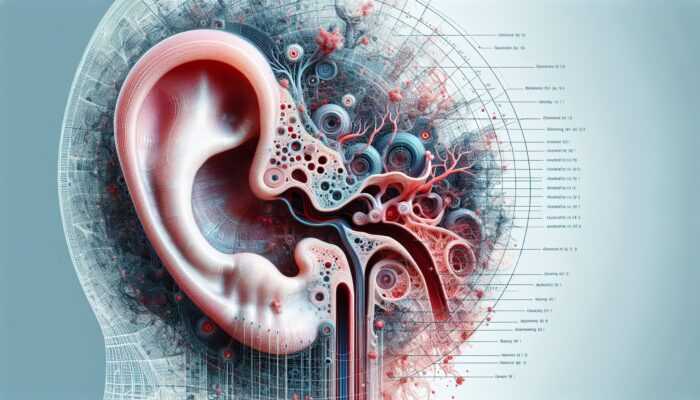
Anatomical illustration of inner ear with disrupted blood flow due to high cortisol levels, showing stress impact on hearing.

The intricate relationship between stress and hearing health is rooted in the physiological responses our bodies undergo. At the heart of this connection are the stress hormones, particularly cortisol, which plays a pivotal role. When we encounter elevated stress levels, cortisol is released into the bloodstream, initiating a series of effects, including alterations in blood flow. The inner ear, crucial for hearing, requires a stable blood supply to operate effectively. Any disruption in this essential flow can exacerbate existing hearing issues or even trigger new ones, underscoring the necessity of understanding and managing stress to safeguard auditory health.

Research has established a direct link between chronic exposure to elevated cortisol levels and conditions such as sensorineural hearing loss. This particular type of hearing loss results from complications within the inner ear or auditory nerve, and it can be intensified by inadequate blood supply coupled with increased stress levels. Individuals residing in high-stress environments—such as bustling urban centres or high-pressure workplaces—are especially susceptible to hearing complications due to these hormonal shifts, highlighting the critical need to address stress as part of safeguarding auditory health.

The auditory system is notably sensitive to stress-related changes. For instance, the cochlea, a vital component of the inner ear, is particularly vulnerable to fluctuations in blood flow, which can result in both temporary and permanent damage when stress becomes chronic. The broader implications of this phenomenon are significant, affecting not only individuals but entire communities in high-stress locales like Tokyo, New York, or São Paulo. Gaining a deeper understanding of these dynamics is essential for creating effective interventions aimed at enhancing hearing health in populations experiencing elevated stress levels.

Examining the Influence of Muscle Tension on Your Hearing Health

Physical manifestations of stress frequently present as muscle tension, which can profoundly affect hearing health. Chronic stress can lead to persistent tension in the muscles surrounding the ears and jaw, potentially exacerbating existing hearing difficulties. This muscle tension may produce a range of symptoms, including discomfort, pain, and even tinnitus—a continuous ringing or buzzing sensation in the ears. Recognising these physical signs is vital for addressing the underlying causes of hearing problems and promoting overall auditory well-being.

The association between muscle strain and hearing impairment is well-documented; research indicates that individuals with heightened muscle tension often report diminished hearing sensitivity. In bustling cities like Mumbai, where urban noise pollution contributes to stress levels, the combination of external auditory distractions and internal tension can create an environment conducive to hearing deterioration. Understanding the impact of stress-related muscle tension on auditory health is imperative, as proactive measures can help mitigate these effects and enhance overall well-being.

Additionally, the consequences of muscle strain on auditory issues extend beyond mere discomfort. Tense muscles can obstruct the functionality of the Eustachian tube, leading to pressure imbalances within the ear. Such imbalances can significantly impair hearing acuity, making it essential for individuals to identify and address signs of stress-induced muscle tension promptly. Raising awareness and implementing timely interventions can significantly bolster overall auditory health and help prevent further complications.

Understanding How Stress Intensifies Noise Sensitivity

In an increasingly noisy world, elevated stress levels can heighten sensitivity to auditory stimuli, exacerbating pre-existing hearing challenges. Individuals under significant stress may find themselves overwhelmed by background sounds, which can worsen conditions like hyperacusis, characterised by an increased sensitivity to normal environmental noises. This phenomenon highlights the necessity of understanding the psychological ramifications of stress on auditory perception.

Such increased sensitivity can be particularly troublesome in densely populated areas where ambient noise levels are consistently high. Cities like London or Hong Kong, known for their vibrant yet chaotic atmospheres, present unique challenges for stressed individuals. Instead of acclimatising to their auditory environments, those experiencing stress might react with greater intensity, leading to anxiety and further complicating their hearing difficulties. Gaining insight into these reactions is crucial for developing effective coping strategies.

The interplay between stress and noise sensitivity can impede effective communication, prompting individuals to withdraw from social situations due to discomfort associated with auditory overload. This withdrawal can foster feelings of isolation, negatively impacting mental health. Therefore, it is vital to advocate for both personal strategies to manage stress and broader societal initiatives aimed at reducing environmental noise pollution to support those grappling with hearing challenges.

Investigating the Relationship Between Sleep Disturbances and Hearing Function

A person in bed, awake, with abstract sound waves and disrupted sleep pattern, illustrating stress effects on hearing.

Quality sleep is essential for preserving overall health, including optimal auditory function. However, stress frequently disrupts sleep patterns, creating lasting repercussions on hearing recovery and overall health. Sleep serves as a crucial period for bodily repair, including the restoration of the auditory system. When stress interferes with sleep, it compromises these vital restorative processes, potentially exacerbating hearing issues over time.

Studies have shown that individuals battling chronic stress often report significantly poorer sleep quality, which subsequently affects cognitive functions and auditory processing abilities. On a global scale, the pressures of modern life exacerbate these challenges, leading to sleep-related hearing complications. For instance, professionals in high-stress occupations in cities like Sydney or Los Angeles may find their inability to achieve restorative sleep due to stress negatively impacting their ability to comprehend sounds and speech throughout the day.

Moreover, the relationship between sleep and hearing is bidirectional; poor hearing can also contribute to sleep disturbances, creating a complex interplay that necessitates careful management. Implementing effective rest through robust stress management techniques is crucial for maintaining hearing health. Understanding this dynamic can encourage individuals to prioritise both sleep and stress reduction in their wellness strategies.

Examining the Immune System’s Role in Ear Health During Stress

The immune system plays a vital role in protecting ear health, and chronic stress can severely compromise its effectiveness. When the body remains under constant stress, it prioritises survival mechanisms, diverting resources away from critical functions like immune defence. As a result, this can increase vulnerability to ear infections, which have well-documented negative effects on hearing.

Worldwide, communities enduring prolonged stress—whether due to socio-economic conditions, conflict, or environmental stressors—often face heightened rates of auditory issues linked to weakened immune responses. For example, populations in war-torn regions or those grappling with economic hardships frequently contend with higher rates of infections that can lead to hearing loss. This reality underscores the significance of holistic health approaches that integrate stress management and immune support.

Furthermore, recognising the connection between immunity and hearing health emphasises the necessity for individuals to incorporate stress management as a component of their overall wellness strategy. By nurturing a robust immune system through lifestyle adjustments and effective stress reduction techniques, individuals can better safeguard their auditory health from the detrimental effects of infections and inflammation.

Delving into the Psychological Aspects of Hearing Health

How Anxiety Influences the Perception of Hearing Loss

A person in a bustling city, covering ears, overwhelmed by anxiety and distorted sound waves representing heightened perception of hearing loss.

The psychological interplay between anxiety and hearing health is profound, often resulting in an exaggerated perception of hearing loss. Individuals facing anxiety may misinterpret their auditory experiences, believing their hearing abilities are diminished more than they actually are. This misinterpretation can create a self-fulfilling prophecy, where anxiety exacerbates the genuine hearing challenges faced by the individual.

Globally, this phenomenon is prevalent across various cultures, where societal expectations and pressures can intensify anxiety levels. In fast-paced urban environments, the constant drive for performance can lead individuals to become excessively critical of their hearing capabilities, resulting in increased anxiety and stress. Addressing this perception of hearing loss is crucial for enhancing overall health and well-being.

Cognitive Behavioral Therapy (CBT) has proven effective in assisting individuals to manage anxiety related to their hearing health. By reframing negative thought patterns and reshaping their understanding of auditory health, individuals can alleviate anxiety and improve their quality of life. Integrating psychological support into hearing care is essential for fostering resilience and enhancing outcomes.

Moreover, cultivating supportive networks within communities can help alleviate anxiety linked to hearing loss. Educational initiatives centred on hearing health can create an environment encouraging individuals to share their experiences and learn from one another, fostering a culture of understanding and support.

Understanding Cognitive Overload as a Result of Stress

Elevated stress levels can lead to cognitive overload, significantly impairing the brain’s ability to process auditory information. When individuals are preoccupied with stressors, their capacity to focus on sounds diminishes, making it increasingly challenging to engage in conversations or comprehend speech. This phenomenon is particularly detrimental in social contexts where auditory cues are essential for interaction.

In regions characterised by high-stress environments, such as South Africa or Brazil, individuals may find their auditory processing abilities compromised. The cacophony of daily life, combined with cognitive overload, can create barriers to effective communication, resulting in frustration and feelings of isolation. Addressing these challenges is crucial for improving auditory health in stressed populations.

Research indicates that stress can adversely affect working memory, an essential component for participating in conversations and understanding complex auditory inputs. For many individuals, this decline in cognitive function leads to a retreat from social interactions, as they feel overwhelmed or incapable of engaging in verbal exchanges. Effective stress management techniques, such as mindfulness and relaxation exercises, can help individuals regain cognitive clarity and enhance auditory processing, ultimately enriching their social experiences.

Emotional Distress and Its Effects on Hearing Aid Utilisation

Emotional distress can create substantial barriers to the effective use of hearing aids, complicating the challenges related to hearing loss. Individuals grappling with stress or anxiety may hesitate to wear hearing aids, fearing stigma or unwanted attention regarding their auditory difficulties. This reluctance can lead to a detrimental cycle, where the absence of auditory amplification intensifies feelings of isolation and frustration.

Globally, perceptions surrounding hearing aids vary widely. In some cultures, wearing hearing aids carries a stigma that compounds emotional distress for those who need them. This stigma can deter individuals from seeking the assistance they require, further deteriorating their auditory health and overall well-being. Addressing these emotional components is vital for enhancing hearing aid acceptance and outcomes.

Audiologists and hearing care professionals play a crucial role in providing compassionate support and counselling to encourage acceptance of hearing aids. Community education initiatives can also help normalise the use of hearing aids, fostering a more inclusive atmosphere for individuals experiencing hearing loss. Creating supportive environments where individuals feel comfortable discussing their hearing challenges can alleviate emotional distress and promote better utilisation of hearing aids.

Examining the Effects of Depression on Auditory Processing

Depression can severely hinder auditory processing, complicating the ability to comprehend speech and sounds. Individuals battling depression often experience cognitive deficits that obstruct their capacity to interpret auditory information effectively. This creates a frustrating feedback loop, where hearing difficulties lead to social withdrawal, further exacerbating depressive symptoms.

Research indicates that individuals in regions confronting economic instability or social challenges, such as parts of Eastern Europe or South America, may experience higher rates of both depression and auditory processing issues. The intersection of these challenges highlights the urgent need for comprehensive approaches that address both mental health and hearing care.

Treatment strategies that tackle both auditory processing and emotional health are crucial for effective care. Multi-disciplinary approaches involving audiologists, psychologists, and mental health professionals can provide holistic support that addresses the complex needs of individuals struggling with both hearing loss and mental health challenges. Additionally, community support systems can empower individuals to seek help by fostering a culture of understanding and empathy.

Understanding the Link Between Social Isolation and Hearing Decline

Social isolation is a significant factor that accelerates hearing decline, particularly among individuals experiencing stress. When people withdraw from social interactions due to hearing challenges, they miss out on essential auditory stimulation, which is vital for maintaining hearing capabilities. This isolation can lead to decreased cognitive engagement, further compounding hearing difficulties.

Globally, social isolation is a pressing concern, especially among aging populations or communities facing socio-economic challenges. In rural areas of India or remote regions of Canada, individuals often struggle with limited access to auditory health resources and social support, resulting in accelerated hearing decline. Strategies to combat this trend are essential for enhancing social connections and auditory health.

Fostering social connections is crucial in mitigating the effects of isolation. Community programmes that encourage interaction among individuals with hearing loss can significantly improve overall well-being. Moreover, leveraging technology, such as video conferencing and social media, can create virtual platforms for connection, allowing individuals to engage despite physical barriers. Education plays a vital role in reducing isolation; awareness campaigns highlighting the importance of social interaction for hearing health can motivate individuals to seek help and engage with their peers.

Investigating Lifestyle Factors That Influence Hearing Health

Understanding the Impact of Sleep Deprivation on Hearing

The detrimental effects of sleep deprivation on hearing health are profound. Chronic lack of sleep, often exacerbated by stress, can lead to significant auditory problems by impairing both auditory function and overall health. Sleep is a restorative process essential for cellular repair and maintaining cognitive functions, including auditory processing, making its quality fundamental to hearing health.

Research has shown that individuals who experience chronic sleep deprivation often report increased hearing difficulties. Key physiological processes that support auditory health, including critical brain functions involved in sound interpretation, are adversely affected by inadequate rest. This connection underscores the necessity of prioritising sleep as a vital component of hearing health.

Globally, lifestyle factors contributing to sleep deprivation differ widely. In bustling urban environments like Tokyo or New York, the demands of work and social life frequently lead individuals to sacrifice sleep, inadvertently harming their auditory health. In contrast, cultural practices that promote rest in other regions may enhance sleep hygiene and, consequently, lead to better hearing outcomes.

To combat the adverse effects of sleep deprivation on hearing, individuals should adopt strategies that promote restorative sleep. Establishing a relaxing bedtime routine, minimising screen time before sleep, and managing stress levels can all contribute to improved sleep quality. By prioritising sleep as part of a holistic approach to hearing health, individuals can yield significant benefits for their auditory function.

Exploring the Role of Diet in Stress-Related Hearing Issues

A well-balanced diet is crucial for overall health, including auditory function. Stress often leads individuals to make poor dietary choices, resulting in nutritional deficiencies that can negatively impact hearing health. Diets high in processed foods and sugars can contribute to inflammation, which is detrimental to the auditory system and can worsen hearing problems.

Certain nutrients are particularly important for maintaining auditory health. For instance, omega-3 fatty acids are essential for reducing inflammation and supporting cellular function within the auditory system. Additionally, antioxidants found in fruits and vegetables help combat oxidative stress, which can damage hearing structures. Recognising the importance of diet in auditory health is critical for addressing stress-related hearing issues.

Globally, dietary habits vary significantly, influencing hearing health in diverse ways. In Mediterranean regions, traditional diets rich in fish, nuts, and vegetables may contribute to better hearing outcomes compared to the processed food-heavy diets common in industrialised nations. Individuals looking to improve their auditory health should prioritise a balanced diet that incorporates essential nutrients to mitigate the negative effects of stress on dietary choices. Community initiatives that promote healthy eating can foster collective efforts to enhance overall health, including auditory function.

Understanding the Benefits of Exercise for Stress Management and Hearing

Regular exercise serves as a powerful tool for managing stress and, in turn, supporting hearing health. Engaging in physical activity has been shown to significantly reduce stress levels, enhance mood, and promote overall well-being. By alleviating stress, individuals can also mitigate its negative effects on hearing, making exercise an essential component of a healthy lifestyle.

The benefits of exercise extend beyond stress reduction. Physical activity improves blood circulation, which is vital for delivering oxygen and nutrients to the inner ear. This enhanced circulation can promote auditory health and help combat the physical manifestations of stress on hearing. Emphasising the importance of regular exercise is crucial for maintaining optimal hearing function.

Globally, exercise practices vary widely, from yoga in India to jogging in urban parks across Europe. Regardless of the form, incorporating regular physical activity into one’s routine can yield significant benefits for both mental and auditory health. Communities that promote active lifestyles and provide accessible exercise facilities can foster healthier populations and contribute to improved hearing health outcomes.

Individuals should aim to engage in at least 150 minutes of moderate exercise each week. Whether through group classes, outdoor activities, or solo workouts, finding enjoyable ways to stay active can significantly impact stress management and hearing health. By prioritising physical activity, individuals can create a positive feedback loop that supports their overall well-being, including auditory function.

Addressing Social and Environmental Considerations

Understanding the Impact of Social Isolation Due to Stress

Social isolation, often exacerbated by stress, poses significant risks to hearing health. Individuals experiencing heightened stress levels may withdraw from social engagements, leading to a lack of auditory stimulation that is crucial for maintaining hearing capabilities. This isolation can compound feelings of loneliness, creating a detrimental cycle that impacts both mental health and auditory function.

Globally, the effects of social isolation can be particularly pronounced in specific communities. In many developing countries, individuals may lack access to hearing health resources, further isolating them when they experience hearing difficulties. The absence of social connections can accelerate auditory decline, as reduced interactions limit opportunities for cognitive engagement and auditory processing. Addressing this issue requires community-focused strategies that promote social interaction and connectivity.

Initiatives connecting individuals experiencing hearing loss with social networks can significantly improve their overall well-being. Leveraging technology to facilitate communication can also bridge gaps for those unable to engage in person. Awareness campaigns emphasising the importance of social interaction for hearing health can foster more supportive environments, encouraging inclusive practices that reduce the stigma surrounding hearing loss.

Investigating the Effects of Environmental Noise Pollution on Stress

Environmental noise pollution can significantly exacerbate stress and negatively impact hearing health. Individuals residing in high-noise areas may experience heightened sensitivity to sounds, leading to increased stress levels and auditory discomfort. Understanding this relationship is essential for addressing hearing health effectively and mitigating the effects of environmental factors.

Globally, urban centres are often characterised by elevated noise levels from traffic, construction, and social activities. In cities like Mumbai or New York, the constant barrage of sound can create an overwhelming environment, contributing to heightened anxiety and stress. These conditions can adversely affect not just mental health but also lead to auditory decline over time, making it imperative to consider noise reduction strategies.

Individuals can implement sound management strategies to combat the adverse effects of environmental noise. Utilising noise-canceling headphones, establishing quiet personal spaces, and advocating for policies aimed at noise reduction can help mitigate stress. Community initiatives focused on reducing environmental noise can also promote healthier auditory environments, fostering well-being for residents.

Moreover, raising awareness about the impact of noise pollution on both mental and auditory health is vital. By educating communities about the importance of quieter environments, individuals can become advocates for supportive spaces that enhance overall health and well-being.

Understanding Workplace Stress and Hearing Safety

High levels of workplace stress can lead to negligence regarding hearing protection, increasing the risk of auditory damage. In industries such as construction, manufacturing, and entertainment, exposure to high decibel levels can severely impact hearing health. When stress levels rise, individuals may overlook essential safety protocols, resulting in long-term consequences for their auditory function.

Globally, workplace cultures vary, affecting the emphasis placed on hearing safety. In some regions, robust regulations and practices exist to protect workers from noise-induced hearing loss. In contrast, areas with limited resources or enforcement, such as parts of Southeast Asia, may expose workers to significant risks without adequate protection. Employers must prioritise stress management alongside occupational health to foster a culture of hearing safety.

Implementing regular training on hearing conservation, providing access to hearing protection, and promoting a supportive workplace environment can significantly reduce risks. Employees should also be encouraged to communicate their needs regarding hearing protection and stress management. By creating open channels for dialogue, companies can foster a culture of safety and well-being that ultimately contributes to better auditory health outcomes.

Exploring Medical and Therapeutic Approaches

Implementing Effective Stress Management Techniques for Hearing Health

Utilising effective stress management techniques can substantially benefit hearing health. Strategies such as mindfulness, meditation, and deep breathing exercises assist individuals in managing stress, potentially enhancing their auditory well-being. These practices can lower cortisol levels and promote relaxation, thereby improving overall health and supporting hearing function.

Globally, various cultures have developed unique approaches to stress management. For instance, in Japan, the practice of Shinrin-yoku, or forest bathing, underscores the therapeutic benefits of nature, demonstrating a powerful method for reducing stress levels and improving both mental health and auditory function. Incorporating such practices into daily routines can yield profound benefits for hearing health.

Individuals should explore diverse stress management techniques to discover what resonates most with them, be it yoga, tai chi, or mindfulness meditation. Community programmes offering workshops on stress reduction can provide resources and support for individuals seeking to enhance their well-being. By prioritising stress management in their daily lives, individuals can significantly improve their auditory health outcomes.

Understanding Medical Interventions for Stress Management

While medical interventions for stress, including medications, can provide relief, they may also carry side effects that impact hearing health. Certain prescription medications, especially those that affect neurotransmitters, can have auditory consequences. It is essential for individuals to engage in discussions with their healthcare providers regarding potential side effects and their implications for hearing.

Globally, access to mental health resources varies considerably, affecting individuals’ options for managing stress effectively. In countries with robust healthcare systems, individuals may have access to a variety of therapies and medications. However, in regions with limited resources, such as parts of Africa or Central America, individuals may encounter challenges in obtaining effective treatment for stress-related issues.

When contemplating medical interventions, individuals should carefully weigh the benefits against potential risks. Consulting with healthcare professionals and audiologists can empower individuals to make informed decisions regarding stress management options that prioritise both mental health and auditory function. Additionally, educating individuals about the potential impact of medications on hearing can help them advocate effectively for their health.

Recognising the Essential Role of Audiologists in Hearing Health

Audiologists play a vital role in addressing hearing issues exacerbated by stress. These professionals offer expert guidance on auditory health, assisting individuals in navigating the complexities of hearing loss and its psychological components. By addressing both auditory and emotional aspects, audiologists can provide comprehensive care that enhances overall well-being.

Globally, access to audiological services varies, yet the need for support remains universal. In developed nations, audiologists often collaborate with mental health professionals to provide holistic care, while individuals in underserved regions may lack access to such valuable resources, highlighting the necessity for increased awareness and support for hearing health initiatives.

Audiologists also offer customised solutions for managing hearing loss related to stress. This may encompass counselling on hearing aid usage, strategies for coping with auditory overload, and recommendations for stress management techniques tailored to individual needs. Community outreach initiatives can enhance access to audiological services, empowering individuals to take charge of their auditory health and overall well-being.

Understanding the Benefits of Cognitive Behavioral Therapy for Hearing Health

Cognitive Behavioral Therapy (CBT) has gained recognition as an effective strategy for managing stress and anxiety, which may indirectly support hearing health. CBT focuses on altering negative thought patterns and fostering healthier coping mechanisms, helping individuals address the emotional toll associated with hearing loss. This therapeutic approach provides valuable tools for individuals seeking to enhance their mental well-being and auditory function.

Globally, the implementation of CBT varies, with accessibility influenced by cultural attitudes towards mental health. In some regions, such as Northern Europe, CBT is widely available and integrated into healthcare systems. Conversely, in areas where mental health remains stigmatized, individuals may struggle to access these essential resources. Fostering a culture of acceptance and understanding is crucial for improving access to therapeutic interventions.

For individuals experiencing stress and anxiety related to hearing loss, CBT can offer valuable tools for reframing their perceptions and building resilience. Additionally, community programmes that provide CBT workshops can empower individuals to engage proactively with their mental health, promoting positive outcomes for both hearing and emotional well-being.

Exploring Nutritional Approaches to Support Stress Relief

A balanced diet rich in specific nutrients can significantly aid in stress reduction and overall well-being, including auditory function. Nutritional choices play a critical role in managing stress, as certain foods can influence cortisol levels and promote relaxation. Understanding the dietary factors that contribute to effective stress management is essential for maintaining auditory health.

Globally, dietary patterns differ widely, affecting individuals’ abilities to manage stress effectively. In cultures that prioritise fresh produce, whole grains, and healthy fats, individuals may experience lower stress levels and improved auditory health. In contrast, regions dominated by processed foods may see higher stress levels and associated health challenges. Promoting holistic approaches to nutrition can foster overall health and well-being.

Individuals looking to enhance their stress management through nutrition should focus on incorporating foods rich in omega-3 fatty acids, antioxidants, and other essential nutrients. Building a diverse, nutrient-rich diet can not only support mental health but also contribute to better auditory function. Community initiatives that promote healthy eating and nutritional education can play a vital role in fostering overall health and enhancing auditory outcomes.

Understanding the Vicious Cycle of Stress and Hearing Loss

Examining How Stress Aggravates Hearing Loss

The relationship between stress and hearing loss creates a vicious cycle where each factor exacerbates the other. Stress can directly worsen hearing loss by impacting physiological processes that support auditory health, while hearing loss can lead to increased stress levels, further deteriorating overall well-being. This cycle is particularly pronounced in high-stress environments, where individuals may become increasingly susceptible to auditory issues.

Research suggests that individuals experiencing chronic stress often report heightened sensitivity to noise, leading to increased discomfort and frustration in social situations. As stress levels escalate, the brain’s ability to process auditory information declines, creating a context where hearing difficulties worsen. Understanding this dynamic is crucial for developing effective interventions that simultaneously address both stress and auditory health.

Globally, the implications of this cycle are significant. In densely populated urban areas, where stress levels tend to be elevated, individuals may find themselves trapped in a loop of stress and hearing decline. To break this cycle, individuals must prioritise stress management techniques alongside comprehensive hearing care. By fostering resilience and accessing resources such as counselling and audiological support, individuals can disrupt the negative feedback loop and improve their overall health.

Recognising the Impact of Hearing Loss on Stress Levels

Conversely, hearing loss can significantly elevate stress levels, creating a challenging dynamic that compounds the difficulties individuals face. The inability to communicate effectively can lead to feelings of frustration, isolation, and anxiety, further exacerbating the impact of stress on overall health. This relationship underscores the importance of addressing both hearing health and stress management simultaneously.

Globally, the stigma surrounding hearing loss can also contribute to increased stress. Individuals may feel embarrassed or self-conscious about their hearing difficulties, leading to social withdrawal and heightened anxiety levels. In cultures where communication is highly valued, the effects of hearing loss can be particularly pronounced, emphasising the need for supportive environments and open discussions around auditory health.

Addressing this aspect of the cycle requires a multifaceted approach. Encouraging open dialogues about hearing loss and fostering supportive environments can help individuals feel less isolated. Community initiatives aimed at raising awareness about auditory health and reducing stigma can foster greater acceptance and understanding. Providing access to resources such as hearing aids and audiological support can empower individuals to manage their hearing loss effectively, breaking free from the cycle of stress and auditory decline.

Identifying Strategies for Breaking the Cycle

Breaking the cycle of stress and hearing loss necessitates a comprehensive approach that addresses both factors simultaneously. Individuals must recognise the interplay between stress management and auditory health, seeking resources and support that facilitate positive outcomes. Strategies for breaking this cycle include implementing stress management techniques, engaging in regular physical activity, and fostering social connections.

Globally, communities can play a vital role in providing education and resources to support individuals facing stress and hearing challenges. Initiatives promoting awareness and understanding can empower individuals to seek help and embrace solutions that improve both their mental health and auditory function. Healthcare professionals must adopt a holistic approach to care, recognising the interconnectedness of these factors to offer comprehensive support that enhances overall well-being.

Understanding the Significance of Professional Support

Seeking professional help from audiologists and therapists can provide tailored solutions for effectively managing both stress and hearing loss. These professionals are equipped to address the complexities of auditory health and the psychological aspects associated with stress. Their expertise can facilitate comprehensive care that promotes better outcomes for individuals.

Globally, access to audiological and mental health services varies significantly. In some regions, individuals may have robust access to multidisciplinary care, while in others, limitations may hinder their ability to receive essential support. Advocating for comprehensive services is crucial to ensure individuals can access the resources they need to improve their auditory health and overall well-being.

Audiologists can offer strategies for coping with hearing loss, while therapists provide tools for managing stress and anxiety. This collaborative approach allows individuals to tackle both aspects of their health effectively, fostering a comprehensive understanding of their unique challenges. Community initiatives that connect individuals with hearing health resources can enhance access to support and empower individuals to seek help for their auditory health needs.

Implementing Preventive Measures and Early Interventions

Utilising Effective Stress Reduction Strategies for Hearing Health

Implementing effective stress reduction strategies is pivotal in preventing the worsening of hearing problems. Individuals must prioritise self-care practices that promote relaxation and resilience against stress. Techniques such as mindfulness, yoga, and deep breathing exercises can all contribute to lowering stress levels while supporting auditory health.

Globally, the adoption of stress reduction practices varies. Cultures that emphasise wellness and holistic health approaches often have more resources available, while others may need to integrate these practices into daily life. Emphasising the importance of stress management across diverse communities can foster a more widespread understanding of its impact on hearing health.

Individuals should explore various stress reduction techniques to find what resonates with them personally. By incorporating these practices into daily routines and prioritising self-care, individuals can enhance their overall well-being, reducing the risk of compromising their auditory health. Community initiatives promoting wellness and stress management can create supportive environments that empower individuals to take charge of their health proactively.

Recognising the Importance of Regular Hearing Check-Ups

Regular hearing check-ups are essential for early intervention and preventing hearing problems exacerbated by stress. Individuals should prioritise routine audiological evaluations to monitor their hearing health and address any issues before they escalate into more significant concerns. Proactive measures are crucial for maintaining auditory health and overall well-being.

Globally, access to audiological services varies, impacting individuals’ ability to seek routine check-ups. In regions with limited healthcare resources, individuals may overlook the importance of hearing assessments. Advocating for increased access to audiological care is vital for promoting auditory health across diverse communities, ensuring that everyone has the opportunity to maintain their hearing health effectively.

By prioritising regular check-ups, individuals can stay informed about their auditory health and receive personalised recommendations for managing stress-related issues. Audiologists can provide valuable insights on coping strategies and support, helping individuals navigate the complexities of hearing health in the context of stress. Community outreach programmes that promote awareness of the importance of hearing health can foster a culture of proactive care, encouraging individuals to prioritise their auditory well-being.

Addressing Frequently Asked Questions About Stress and Hearing Health

What effects does stress have on hearing health?

Stress can negatively impact hearing health by triggering hormonal changes, causing muscle tension, and increasing noise sensitivity, all of which can lead to a decline in auditory function.

Can anxiety amplify the perception of hearing loss?

Yes, anxiety can intensify the perception of hearing loss, leading individuals to feel their condition is worse than it is, often resulting in increased stress and social isolation.

What role does sleep play in maintaining auditory health?

Quality sleep is vital for auditory health, as sleep disturbances caused by stress can impair the body’s ability to recover and maintain hearing function over time.

How can diet influence auditory health?

A balanced diet rich in nutrients supports auditory function and can help mitigate the effects of stress on hearing health by preventing nutritional deficiencies that may affect hearing.

Which stress management techniques are most effective for supporting hearing health?

Techniques such as mindfulness, meditation, and regular physical activity can effectively manage stress levels and support overall auditory well-being, enhancing hearing health.

How does social isolation impact hearing loss?

Social isolation can accelerate hearing decline by reducing auditory stimulation and opportunities for communication, which can negatively impact both mental health and auditory function.

Why are regular hearing check-ups crucial?

Regular hearing check-ups are essential for monitoring auditory health, addressing issues early on, and receiving tailored recommendations for effectively managing stress and its effects on hearing.

What is the connection between stress and cognitive overload?

High stress levels can lead to cognitive overload, impairing the brain’s ability to process auditory information and increasing difficulties in communication and understanding.

How can audiologists assist with stress-related hearing issues?

Audiologists provide expert guidance on managing hearing loss exacerbated by stress, offering resources, strategies, and support for improved auditory health outcomes.

Can community initiatives play a role in supporting hearing health?

Yes, community initiatives that promote awareness, resources, and support can foster environments that enhance auditory health and reduce stigma associated with hearing loss.

Explore our world on X!

The post Stress and Hearing Problems: A Universal Insight into Their Link appeared first on The Microsuction Ear Wax Removal Network.